

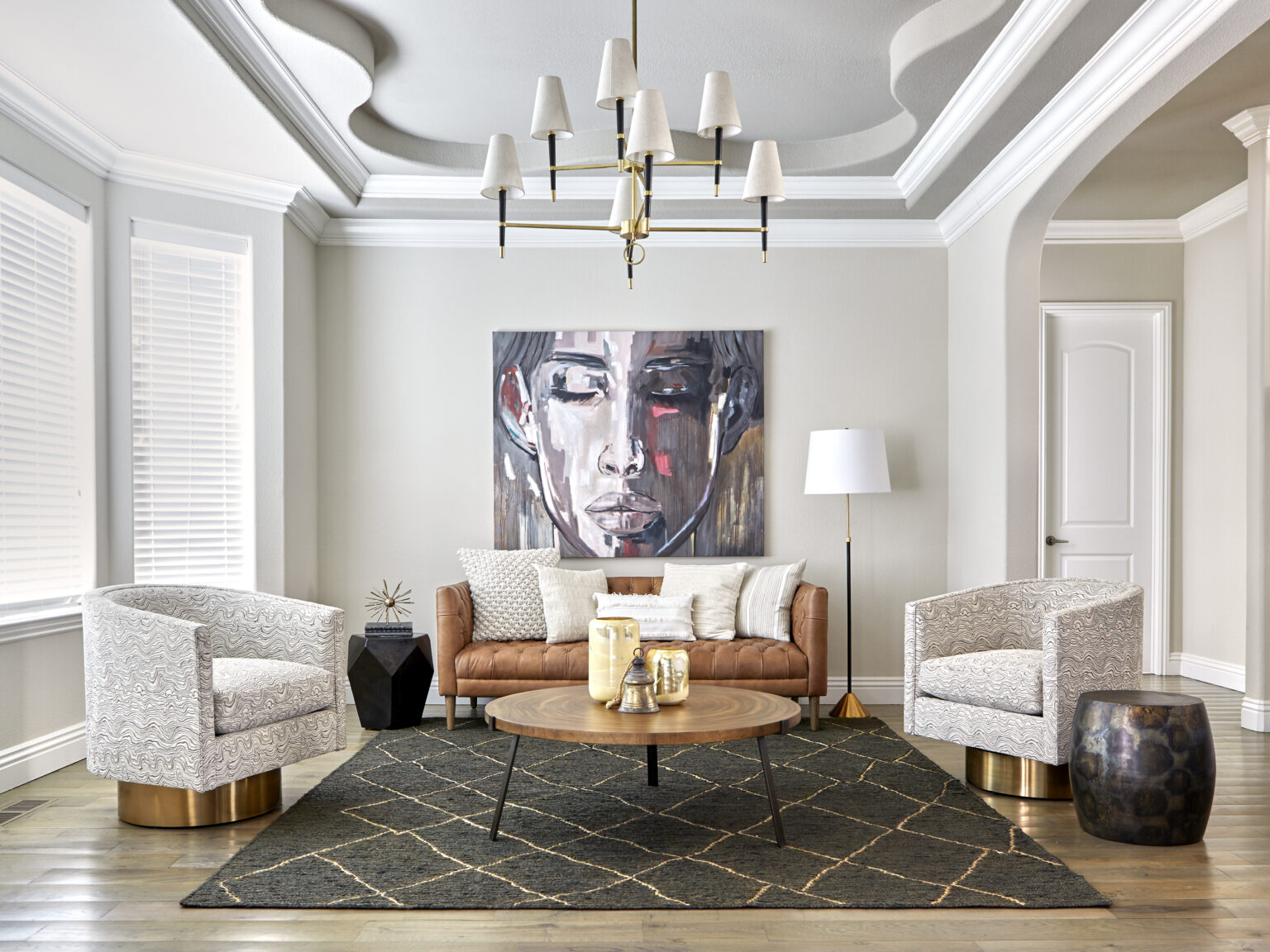
Introduction
Modern interior design has evolved far beyond the minimalist spaces that once defined contemporary aesthetics. Today’s interiors emphasize warmth, texture, depth, and individuality. One of the most influential trends driving this transformation is the use of mixed material palettes.
Designers are increasingly blending wood, metal, stone, glass, concrete, textiles, and organic finishes within the same space to create visually dynamic interiors. Rather than relying on a single dominant material, modern interiors now embrace contrast and layering to achieve balance and sophistication.
Mixed material palettes allow homeowners and designers to create spaces that feel curated instead of overly uniform. When executed thoughtfully, these combinations add personality, improve functionality, and create environments that feel both modern and timeless.
What Is a Mixed Material Palette?
A mixed material palette refers to the intentional combination of multiple surface materials, textures, and finishes within an interior space. These materials work together to create visual harmony while adding contrast and dimension.
Common materials used in modern interiors include:
- Natural wood
- Stone and marble
- Metal finishes
- Glass
- Concrete
- Ceramic surfaces
- Upholstery fabrics
- Leather
- Natural fibers
The goal is not simply to combine different elements randomly. Successful mixed material design depends on proportion, balance, and cohesion.
Why Mixed Materials Are Popular in Modern Design
Modern interiors increasingly prioritize comfort and authenticity over rigid uniformity. Mixed material palettes support this shift by creating spaces that feel layered and lived-in rather than sterile.
Several factors have contributed to their popularity:
- Greater emphasis on personalization
- Growing appreciation for texture and craftsmanship
- Increased use of open-concept layouts
- Influence of Scandinavian and industrial design
- Demand for warmer contemporary spaces
Consumers also want interiors that reflect individuality. Combining materials allows for greater creative flexibility and unique visual identity.
The Role of Texture in Interior Design
Texture is one of the most important elements in mixed material design. Even when color palettes remain neutral, varied textures prevent interiors from feeling flat or monotonous.
Examples of contrasting textures include:
- Smooth marble against rough wood grain
- Matte concrete paired with polished metal
- Soft linen beside structured leather
- Glossy tile combined with natural stone
Texture affects how a space feels emotionally as well as visually. Soft textiles create warmth, while industrial finishes introduce structure and edge.
Modern interiors often balance hard and soft materials to create comfortable yet sophisticated environments.
Combining Natural and Industrial Materials
One of the defining characteristics of contemporary interiors is the fusion of natural and industrial elements.
This combination creates visual contrast while maintaining balance.
Wood and Metal
Wood and metal are among the most commonly paired materials in modern design.
Popular applications include:
- Black steel frames with oak furniture
- Walnut cabinetry with brass hardware
- Metal shelving paired with reclaimed wood
- Industrial lighting above natural wood tables
Wood introduces warmth and organic texture, while metal adds precision and modern structure.
Concrete and Textiles
Concrete surfaces can sometimes feel cold or overly rigid on their own. Soft furnishings help counterbalance this effect.
Designers often pair concrete with:
- Wool rugs
- Linen upholstery
- Velvet accents
- Layered drapery
This combination creates interiors that feel contemporary without becoming uninviting.
Visual Inspiration for Mixed Material Interior Design
Popular Material Combinations in Modern Interiors
Certain material pairings consistently appear in successful modern spaces because they naturally complement one another.
Marble and Wood
Marble introduces elegance and refinement, while wood softens the overall aesthetic.
This combination works especially well in:
- Kitchens
- Bathrooms
- Dining spaces
- Fireplace surrounds
Light oak paired with white marble creates a clean and timeless appearance.
Glass and Metal
Glass and metal create sleek, modern compositions that maximize openness and light.
Common applications include:
- Glass partitions with black steel framing
- Metal-framed shelving
- Glass stair railings
- Chrome and mirrored accents
These combinations are especially popular in urban and minimalist interiors.
Stone and Organic Fabrics
Natural stone surfaces pair effectively with woven textures and soft fabrics.
Examples include:
- Travertine coffee tables with boucle seating
- Slate walls with linen curtains
- Limestone flooring with cotton upholstery
This approach creates relaxed sophistication with strong tactile appeal.
Color Coordination in Mixed Material Spaces
Material selection should work alongside a cohesive color palette.
Too many competing colors can make interiors feel chaotic, even if the materials themselves are attractive.
Neutral Foundations
Many designers begin with neutral tones such as:
- White
- Beige
- Gray
- Taupe
- Soft black
Neutral palettes allow material textures to stand out more effectively.
Accent Materials
Accent materials introduce contrast and visual interest.
Examples include:
- Brass fixtures
- Dark wood finishes
- Matte black hardware
- Colored stone surfaces
Strategic accents help define focal points within a room.
Layering Materials in Different Rooms
Different spaces benefit from different material strategies.
Living Rooms
Living rooms often combine:
- Wood flooring
- Upholstered furniture
- Stone surfaces
- Metal lighting
- Glass accents
The objective is to create warmth and comfort while maintaining visual sophistication.
Kitchens
Modern kitchens frequently feature layered materials such as:
- Quartz countertops
- Wood cabinetry
- Metal fixtures
- Ceramic backsplashes
- Concrete flooring
Material variation helps large kitchens feel more dynamic and personalized.
Bathrooms
Bathrooms increasingly use spa-inspired combinations including:
- Natural stone
- Warm wood vanities
- Matte black fixtures
- Textured tiles
- Frameless glass
The result is a balanced environment that feels luxurious yet functional.
Bedrooms
Bedrooms benefit from softer material layering.
Popular combinations include:
- Upholstered headboards
- Wood furniture
- Linen bedding
- Wool rugs
- Brass lighting accents
Soft textures create relaxation while maintaining modern design consistency.
The Importance of Balance
One of the biggest challenges in mixed material design is achieving balance.
Too many materials can overwhelm a space and create visual clutter.
Successful interiors usually follow several guiding principles:
- Limit dominant materials
- Repeat finishes throughout the space
- Maintain color consistency
- Mix textures intentionally
- Create visual rhythm
Balance allows contrast to feel purposeful instead of chaotic.
Sustainability and Material Selection
Sustainability has become increasingly important in modern interior design.
Homeowners and designers now prioritize materials that offer:
- Durability
- Recyclability
- Renewable sourcing
- Low environmental impact
Reclaimed Wood
Reclaimed wood adds character while reducing environmental waste.
It introduces:
- Unique texture
- Historical depth
- Organic warmth
Natural Stone
Natural stone remains popular because of its longevity and timeless appearance.
When properly maintained, stone surfaces can last for decades.
Eco-Friendly Textiles
Organic cotton, linen, hemp, and recycled fabrics support more sustainable interior practices.
These materials also contribute to healthier indoor environments.
Lighting and Material Interaction
Lighting dramatically affects how materials appear inside a space.
Natural and artificial light influence:
- Texture visibility
- Surface reflectivity
- Color perception
- Spatial depth
Reflective Materials
Glass, polished stone, and metallic finishes reflect light and create brightness.
These materials help smaller spaces feel more open.
Matte Finishes
Matte surfaces absorb more light and create softer visual effects.
They are often used to reduce glare and introduce subtle sophistication.
Careful lighting design enhances the interaction between different materials.
Common Mistakes in Mixed Material Design
Even well-intentioned interiors can become visually overwhelming without careful planning.
Overusing Contrasts
Too many competing textures and finishes can create confusion rather than harmony.
Ignoring Scale
Large, bold materials may dominate smaller spaces if not proportioned correctly.
Lack of Repetition
Repeating key materials throughout a home creates continuity and visual cohesion.
Following Trends Too Closely
Overly trend-driven interiors may feel outdated quickly.
Timeless combinations generally rely on natural materials and balanced contrast.
The Influence of Architectural Styles
Mixed material palettes appear across many contemporary design styles.
Scandinavian Design
Scandinavian interiors often combine:
- Pale woods
- Soft textiles
- Matte metals
- Minimal stone surfaces
The emphasis remains on simplicity and warmth.
Industrial Design
Industrial interiors rely heavily on:
- Exposed concrete
- Steel
- Brick
- Reclaimed wood
These spaces embrace raw textures and structural honesty.
Modern Organic Design
Modern organic interiors blend contemporary lines with natural materials such as:
- Limestone
- Oak
- Clay finishes
- Linen fabrics
This style has gained popularity for its calming and timeless aesthetic.
The Future of Mixed Material Interiors
Interior design continues evolving toward more personalized and tactile environments.
Future trends will likely include:
- Sustainable material innovation
- Smart integrated surfaces
- Biophilic design elements
- Advanced recycled materials
- Multi-functional finishes
Designers are increasingly moving away from overly uniform interiors in favor of spaces that feel authentic, layered, and emotionally engaging.
Mixed material palettes will remain central to this shift because they provide flexibility, individuality, and long-term visual appeal.
Conclusion
Mixed material palettes have become one of the defining elements of modern interior design. By combining wood, stone, metal, glass, textiles, and other finishes, designers create interiors that feel balanced, textured, and visually compelling.
Successful material mixing depends on intentional contrast, cohesive color coordination, and thoughtful layering. Rather than overwhelming a space, carefully selected materials work together to enhance depth, warmth, and functionality.
As modern interiors continue emphasizing comfort, sustainability, and individuality, mixed material palettes will remain a timeless design approach capable of adapting to evolving lifestyles and architectural trends.
FAQ
What is a mixed material palette in interior design?
A mixed material palette involves combining different materials, textures, and finishes within a space to create depth, contrast, and visual balance.
Why are mixed materials popular in modern interiors?
They add warmth, texture, individuality, and sophistication while preventing spaces from feeling flat or overly uniform.
Which materials work best together in modern design?
Popular combinations include wood and metal, marble and oak, concrete and textiles, and stone with organic fabrics.
How do you keep mixed materials from looking cluttered?
Maintaining a consistent color palette, limiting dominant materials, and repeating finishes throughout the space helps create cohesion.
Are mixed material interiors timeless?
Yes. When balanced properly and based on natural materials, mixed material interiors can remain visually appealing for many years.
What role does lighting play in mixed material design?
Lighting affects texture visibility, surface reflection, color appearance, and overall atmosphere, making it essential for showcasing material combinations effectively.
Can mixed material palettes work in small spaces?
Yes. Careful material selection and balanced contrasts can make small spaces feel layered, dynamic, and visually larger without appearing crowded.

Comments are closed.