

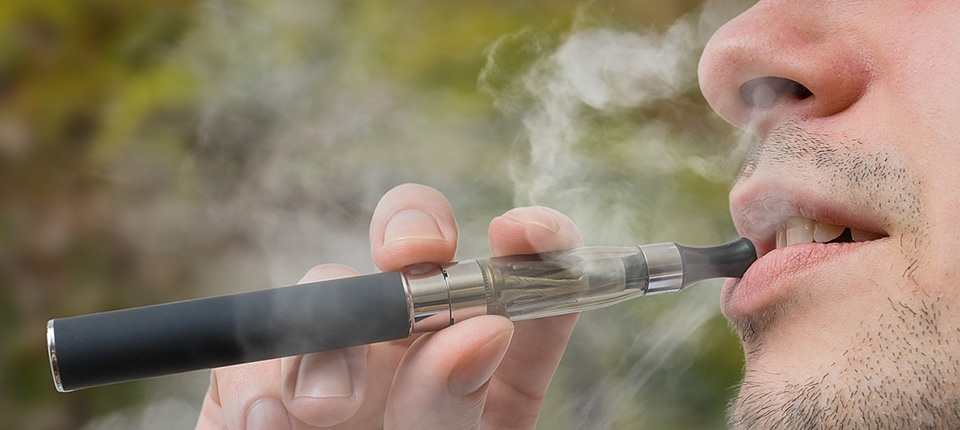
The debate between vaping and traditional smoking has intensified over the past decade. With millions of people switching from cigarettes to e-cigarettes, the central question remains: is vaping truly safer than smoking? For those seeking to ake in the facts before making a decision, this detailed guide will examine the differences, risks, and long-term impacts of both.
Understanding Traditional Smoking
Traditional smoking involves burning tobacco and inhaling smoke. Each cigarette contains thousands of chemicals, including tar, carbon monoxide, and formaldehyde. These toxic substances are linked to lung cancer, heart disease, and respiratory issues. The act of combustion releases harmful byproducts, which makes smoking one of the leading causes of preventable deaths worldwide.
Cigarette smoking is also addictive due to nicotine. While nicotine itself is less harmful than other chemicals in tobacco, the combination with carcinogens and toxins makes traditional smoking extremely dangerous.
What is Vaping?
Vaping uses electronic devices that heat e-liquids into vapor instead of burning tobacco. E-liquids typically contain propylene glycol (PG), vegetable glycerin (VG), nicotine, and flavorings. Unlike cigarettes, vaping eliminates combustion, meaning fewer toxic chemicals are released.
For beginners, vaping devices range from simple disposable pens to advanced mods that allow customization of airflow and wattage. Many turn to vaping as a harm-reduction strategy, aking in the belief that it might be less damaging compared to smoking.
Health Risks of Traditional Smoking
Smoking cigarettes exposes the body to more than 7,000 chemicals, with at least 70 confirmed carcinogens. Long-term smoking contributes to:
-
Lung cancer, throat cancer, and mouth cancer
-
Heart disease and high blood pressure
-
Chronic obstructive pulmonary disease (COPD)
-
Stroke and poor circulation
-
Reduced immune function and slower healing
Even secondhand smoke is dangerous, affecting non-smokers who inhale it regularly. These risks highlight why many people look for safer alternatives.
Health Risks of Vaping
While vaping is generally seen as less harmful than smoking, it is not risk-free. Some potential concerns include:
-
Nicotine addiction, which can increase blood pressure and heart rate
-
Respiratory irritation due to flavoring chemicals like diacetyl
-
Possible long-term effects that remain unclear due to vaping’s relatively recent introduction
-
Risks of using unregulated or counterfeit products
Aking in the fact that research is ongoing, vaping currently appears to expose users to fewer harmful substances than smoking.
Comparing Nicotine Delivery
Both smoking and vaping deliver nicotine, the substance responsible for addiction. However, the method of delivery differs significantly:
-
Smoking: Nicotine reaches the brain within 10 seconds, alongside thousands of toxins.
-
Vaping: Nicotine delivery is slower in some devices but can be equally strong in high-powered mods.
Nicotine itself is not a carcinogen, but its addictive nature makes quitting difficult. Aking in this knowledge helps smokers and vapers understand why dependence develops.
Impact on Lungs
Traditional smoking damages the lungs by coating them with tar and toxins. This leads to reduced oxygen intake and long-term respiratory diseases. Vaping, by contrast, does not produce tar, but it still introduces foreign substances into the lungs.
Studies show that switching from smoking to vaping improves lung function for many individuals. However, non-smokers who start vaping may develop respiratory irritation they would not otherwise experience.
Cardiovascular Health
Both smoking and vaping affect the cardiovascular system. Cigarette smoking thickens blood, damages vessel walls, and raises the risk of heart attacks. Vaping also increases heart rate and blood pressure due to nicotine, though without the added impact of carbon monoxide.
Early findings suggest vaping may pose fewer cardiovascular risks, but more research is required for long-term conclusions.
Social and Lifestyle Differences
The choice between smoking and vaping also affects social and lifestyle factors:
-
Odor: Cigarettes leave strong smells on clothes, hair, and breath. Vaping, however, produces vapor that dissipates quickly.
-
Convenience: Vaping can be done discreetly, with various flavors making it more appealing to many.
-
Stigma: Smoking carries a growing social stigma, while vaping is more accepted in some communities.
For those focused on aking in a cleaner lifestyle, vaping often feels like a more modern option.
Cost Comparison
Smoking traditional cigarettes is expensive. Depending on location, a pack-a-day habit can cost thousands of dollars annually. Vaping, while requiring an initial investment in devices, often turns out cheaper in the long run. E-liquids last longer and allow users to control nicotine intake.
Still, costs can vary widely depending on whether a person uses simple disposables or high-end vaping mods.
Which is Safer?
When comparing smoking and vaping, most experts agree that vaping is less harmful due to the absence of combustion and reduced exposure to toxins. However, this does not mean vaping is completely safe. Non-smokers should avoid starting, while current smokers may consider vaping as a step toward reducing harm or quitting altogether.
Aking in a balanced perspective, vaping represents harm reduction rather than harm elimination.
Long-Term Unknowns
One of the biggest challenges in declaring vaping entirely safe is the lack of long-term studies. Traditional smoking’s dangers are well-documented, while vaping is still relatively new. The unknowns include:
-
Possible effects of long-term inhalation of flavorings
-
Impacts on cardiovascular health after decades of use
-
Risks for young people who begin vaping without prior smoking history
Consumers should make decisions while acknowledging these gaps in research.
Tips for Safer Choices
For those deciding between vaping and smoking, consider these tips:
-
If you are a smoker, vaping may be a less harmful alternative.
-
Always purchase regulated, high-quality products.
-
Choose lower nicotine strengths to reduce dependence.
-
Avoid starting vaping if you are a non-smoker.
-
Stay updated with ongoing research to make informed decisions.
By aking in credible information and practicing moderation, users can make safer lifestyle choices.
Conclusion
The question of vaping versus smoking does not have a perfect answer, but evidence strongly suggests that vaping exposes users to fewer harmful substances. Traditional smoking remains significantly more dangerous due to combustion and toxic chemicals. While vaping still carries risks, especially around nicotine addiction, it stands as a potential harm-reduction tool for smokers. For non-smokers, the safest choice is to avoid both. Ultimately, making an informed decision means aking in the facts and prioritizing long-term health.
FAQs
1. Can vaping help me quit smoking?
Yes, many smokers transition to vaping as a step toward quitting. However, success varies, and pairing vaping with other cessation methods improves outcomes.
2. Does vaping cause cancer like smoking?
There is no strong evidence linking vaping to cancer, but long-term effects are still being studied. Smoking, however, has a proven link to multiple cancers.
3. Is secondhand vapor harmful?
Secondhand vapor is less harmful than secondhand smoke, but it can still expose others to nicotine and chemicals.
4. Which is more addictive: vaping or smoking?
Both can be equally addictive depending on nicotine strength. Cigarettes deliver nicotine faster, but high-powered vape devices can match this.
5. Are there nicotine-free vaping options?
Yes, many e-liquids come in zero-nicotine variants, allowing users to enjoy the experience without addiction risks.
6. Why do young people choose vaping over smoking?
Flavors, social trends, and the perception of being safer attract younger users. However, vaping still carries risks, particularly for developing brains.
7. What is the best way to reduce harm if I can’t quit?
Switching from cigarettes to vaping may reduce exposure to harmful chemicals, but lowering nicotine intake and seeking cessation support is the safest path.

Comments are closed.